While introducing career concepts to elementary students may sound a bit premature, a growing body of research suggests that early exposure to a wide variety of career possibilities helps younger students grow a positive self-concept of their occupational opportunities.

The Impact of Early Career Awareness
Alisha Hyslop, the senior director of public policy for the Association for Career and Technical Education, says, “Getting [elementary students] to grapple with concepts of careers at an early age helps them learn what career paths may be possible and make decisions about educational and career possibilities as they get older. A student exposed to robots and engineering in elementary school may want to take robotics or Algebra 1 in middle school.”
Engaging younger students with career-connected learning can set them up for future success while diminishing equity and access gaps. Hyslop says that early career exposure is “all about exploration and normalization. Students should see there are careers available to people who look like me, live where I live, and are in this community.”
A Gallup Student Poll shows that student engagement in school peaks in the 5th grade and declines through middle and high school. While eight out of ten elementary students identify as engaged in school, only six out of ten do in middle school, and the number drops to four out of ten for high schoolers.
Introducing career literacy early in a student’s education can maintain and even boost student engagement. When students are aware of diverse career paths, they are better equipped to make decisions about their futures. It’s also a way of providing tools for young learners to achieve their goals—and in many cases, aim higher. This knowledge helps them overcome self-limiting beliefs.
Additionally, career development at the elementary level solidifies the connection between academic achievement and future endeavors for students. Collaborating with teachers to incorporate career information in normal classroom activities and integrating technology in career development exploration increases the effectiveness of career interventions and their impact on academic achievement.

Connecting School to the Future
Results from this year’s Naviance CCLR Student Survey indicate that students become increasingly uncertain about their postgraduate path as they approach the end of high school: 63% of students enter high school planning to go to a four-year college. That number increases to 77% by the eleventh grade but then plummets to 51% for seniors.
These results indicate a need to give younger students earlier access to postsecondary planning tools and information. When students realize their strengths and interests at a younger age, they can tailor their academic program accordingly and set themselves up for future success.
That’s what happened to one of Misty Briggs’s students. Misty, a Career and Technical Education teacher at Prescott South Middle School in Tennessee, says, “I had one sixth grader who was dead set on being a professional football player. And then, after he took some assessments, his mom actually came to me and said, ‘Oh, my goodness, thank you so much, because he now has turned away from professional football.’ Now, he actually wants to work with lungs. Naviance CCLR spiked this interest in him. When he did his career presentation a few weeks later, it was all on breathing and respiratory therapy.”

How Naviance CCLR and Naviance for Elementary Can Help
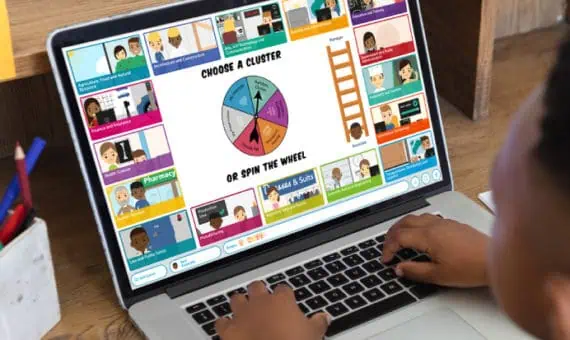
Naviance for Elementary is designed to provide young students with age-appropriate content that builds confidence and excitement about their futures. The K-5 curriculum includes pre-built, standards-aligned lessons covering academic, career, and personal and social themes. Through play-based interactions, students explore career options, take age-appropriate assessments, and earn badges as they engage with different career pathways and occupations. This approach not only makes learning fun but also instills a sense of purpose and direction in students from an early age.
Career exploration and awareness in elementary school are essential for setting students on a path to success. By introducing career concepts early, students are more likely to stay engaged. Career exposure can also help them overcome self-limiting notions and provide them with the tools they need to achieve their goals. Solutions such as Naviance for Elementary play a crucial role in this process, ensuring that every learner can dream big and reach their full potential.

Introduce Younger Students to Career Exploration
Learn how Naviance for Elementary helps students in elementary school begin exploring careers.
Watch the Demo