

School funding dominates every conversation about overcoming student learning loss after the disruptions of the past few years. Following the initial passage of the CARES Act last spring, a second round of federal stimulus for K-12 systems passed in December—H.R.133 provided $54.3 billion for schools. On top of that, another $130 billion will likely come as early as this month.
While uncertainties remain around exactly how much individual schools will receive, when it will arrive, and how they’ll be allowed to spend it, we do know a few key points:
- Funds to both cover budget shortfalls and provide liquidity are coming
- 90% of stimulus received by states will go to K-12 districts based on Title I Part A funds
- Most districts will see enough money to cover their needs ahead of the new school year
It’s time to plan and prioritize investments. Acting now gives you more time to purchase, implement, and train staff on any new systems or resources secured with stimulus funds. The sooner you prioritize your needs, the better prepared you’ll be for the next school year and beyond.

Directing funds toward learning loss initiatives
Many districts see students falling short of learning goals. Congress indicates that they’ll earmark some stimulus funds to support efforts to close the gap. However, districts will enjoy discretion over exactly how to use the money for their own strategic priorities regarding learning loss.
To start, districts need to get the clearest possible picture of where students are in relation to their learning goals, and then they need to track progress closely over time. Stimulus funds should enable many districts to make a multi-year investment in addressing learning loss.

Strategic investments to address learning loss include high-quality, reliable assessments and analytics. Shorter, frequent tests throughout the year provide valuable student performance data to inform instructional decisions. Coupled with a powerful analytics tool, administrators and teachers gain the ability to see the big picture. This can reveal district-wide trends or individual struggles. Detailed reports can even help teachers see when factors outside the classroom may be affecting learning. This information gives educators a powerful toolbox to support learning loss recovery. Teachers know some students have a more difficult path forward than others—assessment and analytics tools can help them personalize support.

Preparing for the new school year by building on stop-gap technology solutions
2020 was all about remote operations and virtual learning. With no time to waste and the end of the school year approaching, schools and districts quickly adjusted and implemented stop-gap solutions last spring with an eye on eventually returning to normal.
The foreseeable future of K-12 education includes many uncertainties, but there is an opportunity to keep education moving forward. Investing in flexible technology solutions can enhance hybrid learning capabilities. Schools and districts need an adaptable infrastructure that’s built to empower teachers and administrators and help them be more effective as education evolves.
Priorities to consider when allocating stimulus funds to school operations improvements include:
- Tracking student attendance in hybrid learning scenarios
- Improving family communication to support student learning
- Maintaining continuity during remote operations (payroll, hiring, onboarding, etc.)
- Keeping required health forms secure with online access for approved personnel

With the right tools, school staff can overcome challenges that come with implementing hybrid schedules. This includes keeping families in the loop, maintaining vital school functions, and handling sensitive medical forms for daily health checks. Now is the time to consider where your current technology infrastructure falls short and make your edtech investment list for stimulus funds in the pipeline.

Empowering teachers to meet challenges now and into the future
Teachers are a school’s frontline workers, and their mission is to support students. Technology can help them make up for lost instructional time. Consider resources like online professional development to overcome new challenges, learn new systems, and stay informed about cybersecurity measures. Tools to help teachers quickly deploy rich learning content, whether they’re in the classroom or at home, also help them achieve the purpose of their work.
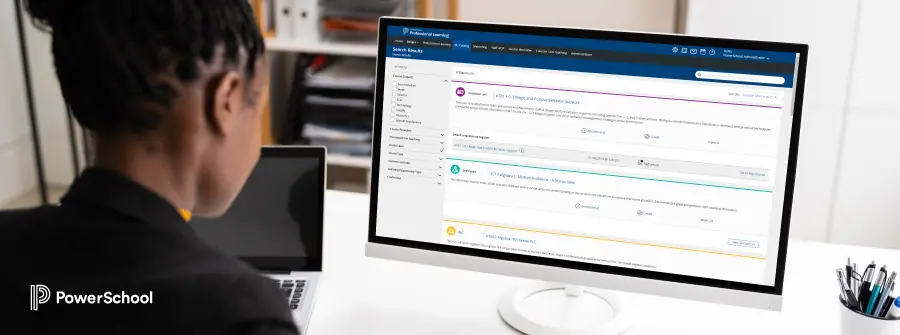
Another way to empower teachers is to build their ranks with quality educators. Some stimulus funds may be allocated to recruiting and hiring, and technology can help you make the most of your efforts.
Even with funding to open additional teaching positions, the teacher shortage continues to worsen. That means the labor market is tight. It’s vital to identify the right candidates quickly, schedule them for interviews, and then extend offers before competing districts get the chance. Consider putting stimulus funds toward tools to streamline hiring.
How will stimulus money help your district overcome challenges?
The good news is that the time for waiting is over. We know stimulus funds are coming, and now it’s time to plan and strategize for maximum benefit. Setting your priorities now maximizes your ability to get the most of stimulus funds. The sooner you start, the more prepared you’ll be for the 2021/22 school year.

What are your strategic priorities for stimulus funding?
We've compiled resources to help you and your school or district navigate the federal K-12 funding available through the CARES Act, CRRSA Act, and ARP Act, also known as ESSERS I, II, and III.
Get Resource Kit